
Physiotherapy Treatment Methods Tailored to Your Recovery
At Cogent Rehab, treatment is selected based on your assessment, goals, symptoms, function, and recovery stage. We do not use every method for every person. Your physiotherapist will choose the most appropriate combination of hands-on care, exercise, education, movement retraining, balance work, gait training, vestibular rehab, or other methods to support your recovery.
Assessment & Testing Methods

Buffalo Concussion Testing
A structured exertional test used to assess exercise tolerance and guide safe concussion rehabilitation progression.
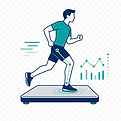
Running & Gait Analysis
Video-informed walking or running assessment to examine movement patterns, loading, cadence, symmetry, and possible contributors to pain or injury.

Ergonomic Assessment
Assessment of workstation setup, posture, movement habits, and job demands to help reduce strain and support safer work.
Exercise, Movement & Neurological Retraining

Therapeutic Exercise
Individualized exercise programs to improve strength, mobility, control, balance, endurance, and confidence with movement

Balance Training
Targeted training to improve steadiness, confidence, walking safety, reaction control, and falls prevention.

Vestibular Rehabilitation
Exercise-based rehabilitation for dizziness, vertigo, motion sensitivity, gaze instability, and balance-related symptoms.

Bobath/NDT Therapy
A neurological rehabilitation approach used to support movement control, posture, balance, walking, and functional task practice.

Biofeedback Training
Visual or sensor-based feedback to help improve muscle activation, relaxation, movement control, and motor learning.

Sports Performance Training
Progressive movement training to improve strength, agility, landing control, speed, balance, conditioning, and sport-specific confidence.
Hands-On & Pain-Modulation Treatments
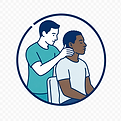
Manual Therapy
Hands-on techniques used when appropriate to improve mobility, reduce pain sensitivity, and support movement retraining.

Acupuncture
Acupuncture may be used as part of a broader physiotherapy plan to help manage pain, muscle tension, and movement sensitivity.

Dry Needling
Dry needling may be used alongside exercise and education to address muscle pain, trigger points, and movement-related symptoms.
Supportive & Self-Management Strategies
Taping
Supportive taping may be used to assist joint positioning, symptom relief, movement confidence, or return to activity

Braces & Supports
Bracing support for selected joint, ligament, post-injury, or activity-related needs requiring added stability or protection.

Thermoplastic Splinting
Custom splinting support for selected hand, wrist, or upper-limb conditions requiring protection, positioning, or functional support.
How We Choose The Right Treatment Methods
Your treatment plan is not based on a fixed menu of techniques. At Cogent Rehab, treatment methods are selected after a detailed assessment of your symptoms, movement, strength, balance, function, recovery stage, goals, and activity demands. Some clients may need more hands-on care early on, while others may benefit more from exercise, gait training, vestibular rehabilitation, education, or functional retraining.
Active Recovery Comes First
At Cogent Rehab, passive treatments are not used as the entire plan. Hands-on care, acupuncture, dry needling, taping, or bracing may help manage symptoms, but long-term recovery usually requires movement, strengthening, education, confidence building, and gradual return to meaningful activity.
What to Expect During a Treatment Session
A treatment session may include reassessment, hands-on treatment where appropriate, guided exercise, balance or gait training, movement coaching, symptom education, progression of your home program, and discussion of next steps. Your treatment may change over time as your symptoms, function, and goals improve.
Frequently Asked Questions
Do I need to know which treatment method to book?
No. Book a physiotherapy assessment based on your main concern. Your physiotherapist will recommend the most appropriate treatment methods after your assessment.
Will I receive the same treatment every visit?
Not necessarily. Your treatment plan may change as your symptoms, strength, mobility, balance, and function improve.
Are manual therapy, acupuncture, or dry needling enough on their own?
They may help with symptom management, but they are usually most effective when combined with exercise, education, and functional retraining.
Do you use treatment methods for every patient?
No. Treatment is individualized. Some methods may not be appropriate depending on your condition, goals, medical history, or recovery stage.
Can I request a specific method?
Yes, you can ask about a specific method, but your physiotherapist will first determine whether it is clinically appropriate for your presentation